
Employee absence remains one of the biggest challenges facing UK businesses. It affects productivity, team morale, and operational costs, making effective absence management critical for organisational success.
With the Employment Rights Act 2025 now in force and key employment law changes being introduced in stages between 2026 and 2027, employers must implement and begin to prepare for significant updates to statutory sick pay (SSP), earnings thresholds, and unfair dismissal protections.
Implementing robust absence management policies is no longer optional. These policies help organisations remain compliant, maintain operational efficiency, and support a resilient and engaged workforce. By focusing on structured procedures, proactive communication, and employee wellbeing, businesses can reduce absenteeism and minimise disruption.
Key Changes in UK Absence Management Under the Employment Rights Act 2025
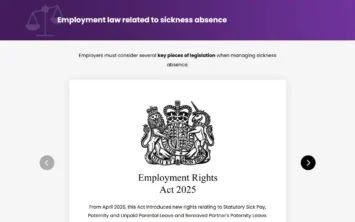
The Employment Rights Act 2025 introduces a series of reforms to existing employment law, including amendments to the Employment Rights Act 1996. The key changes affecting absence management include:
Day-One Statutory Sick Pay (SSP)
Changes to SSP have introduced entitlement from the first day of sickness absence, removing the current waiting period.
Employers should be updating payroll systems, absence policies, and manager training to ensure consistent handling of sickness absence from day one. Early support can also improve employee wellbeing and support a faster return to work.
Removal of the Lower Earnings Limit
Reforms extend SSP eligibility to lower-paid workers who are currently excluded under existing rules.
While this may increase employer costs, it supports fairness and ensures greater equality in workplace sickness cover.
Shortened Unfair Dismissal Qualification Period
The qualifying period for unfair dismissal protection is expected to reduce in 2027, meaning employees may gain protection earlier in their employment.
This increases the importance of clear probation processes, consistent absence management, and early intervention where issues arise.
Why Absence Management Matters:
Effective absence management isn’t just about compliance, it has a direct impact on organisational performance.
Poor absence management can result in:
- Increased operational costs due to cover and overtime
- Reduced team morale and increased pressure on staff
- Lower productivity and missed deadlines
- Increased legal risk from inconsistent processes
A structured approach ensures organisations can respond fairly and consistently to both short and long-term absence while demonstrating a commitment to employee wellbeing.
Practical Steps for Employers
To prepare for upcoming changes, organisations should:
- Review and update absence management policies in line with the Employment Rights Act 2025
- Strengthen procedures for managing short- and long-term absence
- Introduce or expand flexible working arrangements where appropriate
- Ensure payroll systems can accommodate changes to SSP entitlement
- Provide training for managers to handle absence confidently and consistently
Absence Management Best Practices
Understanding Absence Patterns
Track and analyse absence data to identify trends and underlying causes. Early intervention can reduce repeat absence and long-term disruption.
Manager Responsibilities
Managers play a key role in effective absence management. They should:
-
Apply policies fairly and consistently
- Maintain confidentiality at all times
-
Support employees returning from absence
- Follow correct procedures for capability and absence cases
Monitoring and Supporting Staff
-
Maintain accurate absence records
-
Conduct structured return-to-work interviews
-
Provide support for long-term health conditions
-
Use early intervention to prevent recurring absence
Communication and Wellbeing
A positive workplace culture is essential. Encourage open conversations about health and wellbeing, and signpost support such as occupational health, counselling, resilience training, and flexible working options
How Training Strengthens Absence Management
Our Absence Management Online Training Course equips managers and HR teams with the knowledge and confidence to manage absence effectively.
The course covers:
-
Legal and procedural frameworks relating to absence and SSP
-
Fair and consistent application of absence policies
-
Practical strategies for managing short and long-term absence
-
Supporting employee wellbeing and workplace resilience
Through real-life scenarios and practical exercises, learners develop the confidence to:
-
Apply policies consistently
-
Handle absence situations professionally
-
Support employees returning to work effectively
The Wider Benefits of Effective Absence Management
Investing in absence management delivers clear organisational benefits:
- Reduced absenteeism and operational disruption
- Improved employee engagement and morale
- Stronger legal compliance and reduced risk
- A more resilient and supportive workplace culture
With the Employment Rights Act 2025 now in force and employment law changes being introduced throughout 2026 and 2027, now is the time to review and strengthen your approach to absence management. These updates are already beginning to take effect, and organisations should ensure they understand the changes and have the right processes and training in place to implement them effectively.
Explore our Absence Management Online Training Course today to support your managers in confidently applying current requirements and managing absence effectively.