
Preventing sexual harassment in the workplace is an important responsibility for every employer. With further changes to UK employment law taking effect from 30th October 2026, organisations should make sure they understand their responsibilities and have appropriate measures in place to protect their workforce.
The law increasingly focuses not simply on responding appropriately when sexual harassment occurs, but on taking proactive steps to prevent it from happening in the first place.
What is sexual harassment in the workplace?
Under the Equality Act (2010), sexual harassment is defined as unwanted conduct of a sexual nature that has the purpose or effect of violating someone’s dignity or creating an intimidating, hostile, degrading, humiliating or offensive environment.
Sexual harassment can take many forms. It may include inappropriate comments or jokes, unwanted touching, sexual advances, displaying or sharing sexual content, or inappropriate behaviour through emails, messages and other digital channels.
Importantly, behaviour does not necessarily have to be intended to cause offence to amount to sexual harassment. The effect that the behaviour has can also be relevant.
Employers already have a duty to prevent sexual harassment
The Worker Protection (Amendment of Equality Act 2010) Act 2023 came into force on 26th October 2024.
It introduced a legal duty requiring employers to take reasonable steps to prevent sexual harassment of their employees during the course of their employment.
This means employers should not simply wait for an incident or complaint before taking action. They should consider where risks may arise and put appropriate measures in place to reduce them.
What is changing from 30th October 2026?
The Employment Rights Act 2025 strengthens the existing preventative duty.
From 30th October 2026, employers will be required to take ‘all reasonable steps’ to prevent sexual harassment of their employees.
What is reasonable will depend on factors such as the organisation, its size, sector and the type of work employees carry out. However, the change places an even greater emphasis on prevention and on employers considering all the reasonable measures available to them.
The law will also strengthen protection from third-party harassment. Employers may be liable where an employee is harassed by a third party – such as a customer, client, contractor, service user or member of the public – unless the employer has taken all reasonable steps to prevent the harassment.
This makes it particularly important for organisations to consider risks that arise not only between colleagues, but through interactions with people outside the organisation.
Sexual harassment and whistleblowing
Further protections introduced in 2026 mean employers should also consider how concerns about sexual harassment are reported.
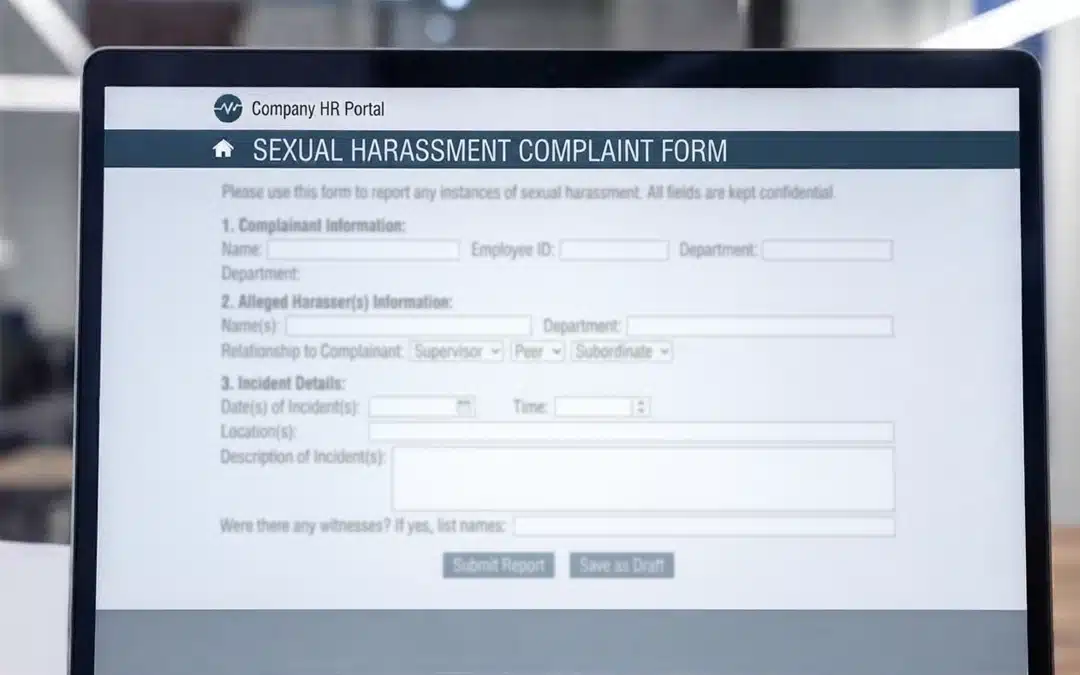
Since 6th April 2026, disclosures about sexual harassment can qualify for whistleblowing protection where the legal requirements for a protected disclosure are met.
Clear and accessible reporting procedures are therefore an important part of creating an environment in which employees understand how to raise concerns and feel able to do so.
What can employers do to help prevent sexual harassment?
There is no single approach that will be appropriate for every workplace. Employers should consider the particular risks within their own organisation and the steps that are reasonable in response.
These may include:
- assessing where and how sexual harassment could occur
- reviewing and updating policies and procedures
- providing clear and accessible ways to report concerns
- making sure complaints are handled appropriately
- considering risks involving customers, clients and other third parties
- providing appropriate training for employees and managers
- ensuring managers understand how to respond when concerns are raised
- reviewing measures regularly rather than treating prevention as a one-off exercise.
Training forms part of this wider preventative approach. A policy may explain an organisation’s position, but employees and managers also need to understand what sexual harassment can look like, what behaviour is unacceptable and what they should do if they experience, witness or become aware of a concern.
Why managers have an important role
Managers can be one of the first people an employee approaches when they experience or witness inappropriate behaviour.
They therefore need to understand how to recognise potential sexual harassment, respond sensitively when a concern is raised, follow appropriate procedures and avoid dismissing behaviour as harmless workplace ‘banter’.
Managers also have an important everyday role in setting expectations, modelling appropriate behaviour and helping to create a respectful workplace culture.
Providing managers with training tailored to their responsibilities can help them understand not only what sexual harassment is, but what is expected of them when managing and supporting others.
Building awareness across the workforce
Preventing sexual harassment is not solely a management issue. Employees should also understand what constitutes sexual harassment, the standards of behaviour expected in their workplace, how to raise concerns and how to respond appropriately if they witness unacceptable behaviour.
Building awareness across the workforce can help organisations establish clear expectations and reinforce a culture in which inappropriate behaviour is recognised and addressed.
Sexual Harassment Awareness Training from RealSense
RealSense offers separate CPD-approved online Sexual Harassment Awareness courses for employees and managers, allowing organisations to provide training appropriate to different roles and responsibilities.

Sexual Harassment Awareness in the Workplace for Employees helps learners recognise sexual harassment, understand appropriate workplace behaviour and know how to report and respond to concerns.
Sexual Harassment Awareness in the Workplace for Managers builds on this awareness by helping managers understand their responsibilities, respond appropriately to disclosures and concerns, and support a proactive approach to preventing sexual harassment.
Both courses can be purchased individually and are also available as part of the RealSense Workplace Essentials subscription.
With strengthened legal requirements taking effect from 30th October 2026, now is the time for employers to review their approach to preventing sexual harassment and ensure their workforce understands the part they play.
Find out more about our Sexual Harassment Awareness training email hello@real-sense.com or contact us on 01332 208500 to discuss your organisation’s training needs.